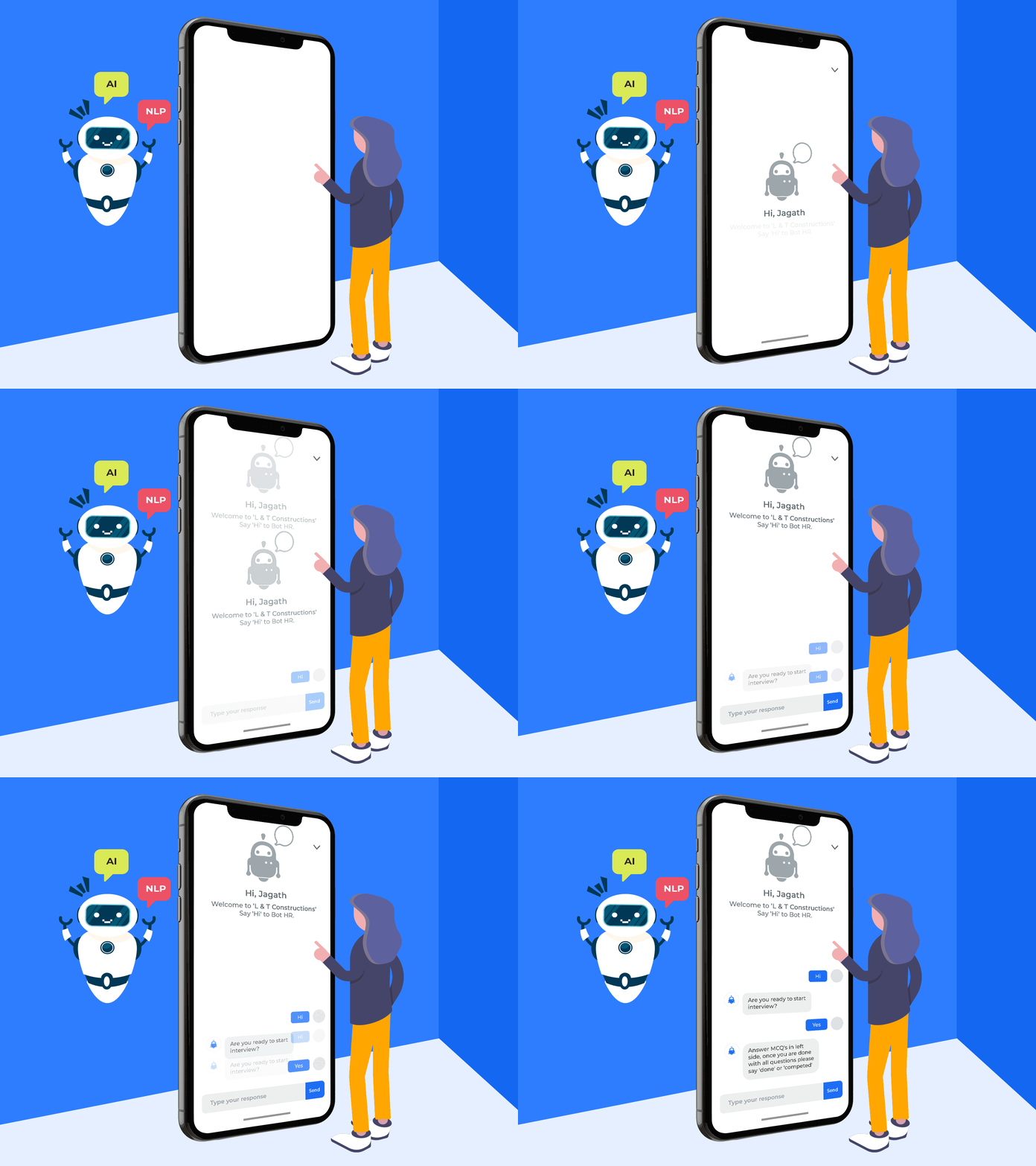


Healthcare is evolving, and conversational AI in the medical field is pivotal to this transformation. Through AI-driven chat systems, patients can swiftly obtain responses to health inquiries, conveniently schedule appointments, and even get reminders for their medications. These instruments not only conserve time but also enhance access to vital care.
Conversational AI provides 24/7 assistance, helping healthcare professionals handle common questions, supporting mental health and enhancing overall healthcare efficiency. This transition toward AI-based solutions responds to the increasing demand for quicker and more intelligent healthcare alternatives.
What is Conversational AI and How Does It Work in Healthcare?
Conversational AI is a technology that allows machines to comprehend, process, and react to human language in a natural and interactive manner. It employs artificial intelligence (AI) technologies such as natural language processing (NLP), machine learning, and voice recognition to participate in significant discussions.
In healthcare, conversational AI significantly improves communication between patients and providers by providing support, guidance and information at all hours.
Conversational AI usually operates via chatbots or virtual assistants embedded in websites, applications or messaging services.
Here’s how it functions step-by-step:
1- Language Understanding
Conversational AI first “listens” to the user input. Through NLP, it identifies the intent behind the words and phrases to determine the meaning. This step is essential for understanding what the patient is asking or needing, whether it’s an appointment, medical information or symptom check.
2- Response Generation
Once the AI identifies the patient’s intent, it generates an appropriate response based on programmed information, past interactions or learned behavior. This response could involve answering questions, booking appointments or providing reminders, all done with accuracy to ensure patients get reliable support.
3- Learning and Adapting
Conversational AI uses machine learning to improve over time. Each interaction helps the AI learn patient preferences, common questions, and better ways to respond. This adaptability is crucial in healthcare, as the AI becomes more efficient and knowledgeable with every use.
4- Voice Recognition (Optional)
In some cases, conversational AI uses voice recognition to interact with patients, enabling hands-free communication especially beneficial for accessibility. Voice technology allows patients to speak directly to the AI.
Key Benefits of Conversational AI in Healthcare
Conversational AI offers numerous advantages to the healthcare sector, transforming patient care and streamlining operations. Here are the primary benefits of conversational AI in healthcare:
1- 24/7 Patient Access and Support
Conversational AI provides round-the-clock assistance, allowing patients to access healthcare information anytime they need it. Whether it’s checking symptoms, booking appointments or getting medication reminders, AI ensures patients get timely support.
2- Enhanced Patient Engagement and Experience
By providing fast, accurate responses, conversational AI helps keep patients engaged and informed. Patients can interact with AI tools at their own pace without waiting on hold or visiting a clinic. This seamless access enhances the patient experience.
3- Reduced Operational Costs
Conversational AI streamlines repetitive administrative duties like responding to frequently asked questions and arranging appointments. This lessens the burden on healthcare workers, enabling them to concentrate on more intricate patient requirements. Automation saves not just time but also reduces expenses by simplifying regular tasks.
4- Improved Symptom Checking and Early Intervention
Conversational AI can assist patients with fundamental symptom evaluations, aiding them in determining whether they require immediate medical attention or can handle symptoms at home. This ability enables patients to make educated choices regarding their health and can assist healthcare professionals in prioritizing cases.
5- Medication Reminders and Treatment Adherence
Medication compliance is a prevalent challenge in healthcare, and conversational AI assists in tackling it by providing timely reminders. Patients can get notifications regarding their medication schedules, enhancing compliance with treatment plans and leading to improved health results.
6- Support for Mental Health
Conversational AI is increasingly becoming a resource for mental health assistance. AI-powered mental health resources can offer a supportive atmosphere, assisting people in obtaining information and assistance between therapy sessions.
7- Data Collection and Patient Insights
Conversational AI is capable of collecting data from patient engagements, assisting healthcare providers in comprehending patient behavior, preferences, and requirements. Such information can result in enhanced services as providers modify their offerings according to actual patient feedback and engagement trends.
Challenges in Implementing Conversational AI in Healthcare

Despite the advantages, implementing conversational AI in healthcare comes with significant challenges. Here are some of the primary obstacles healthcare providers face:
1- Privacy and Data Security Concerns
Healthcare encompasses delicate patient data, making privacy a primary concern. Conversational AI systems are required to adhere to stringent regulations such as HIPAA (Health Insurance Portability and Accountability Act) in the U.S. to safeguard patient information.
2- Maintaining Accuracy and Building Trust
In healthcare, accuracy is critical. Patients need reliable, correct information, and an AI system that gives inaccurate or vague responses can harm patient trust. Errors can lead to serious misunderstandings or health risks, so providers must invest in rigorous training and testing.
3- Integration with Existing Healthcare Systems
Many healthcare organizations use established electronic health record (EHR) systems and other platforms that need to work seamlessly with conversational AI. Integrating AI with these existing systems can be technically challenging and costly.
4- Managing Language and Cultural Sensitivity
Conversational AI must comprehend and reply appropriately across different patient groups, considering multiple languages, dialects, and cultural nuances..
5- Ensuring Regulatory Compliance
The healthcare sector is heavily regulated, with stringent guidelines and compliance standards differing across countries. Creating conversational AI that follows these regulations and stays compliant over time is difficult.
6- High Development and Maintenance Costs
Developing a reliable conversational AI system for healthcare requires substantial investment. AI tools require continuous learning, updates, and maintenance to remain accurate and secure.
7- Ethical Considerations
Ethical issues are also a concern. For instance, can conversational AI make patients feel comfortable and understood in sensitive situations? Does it have the necessary transparency to let patients know when they’re interacting with an AI versus a human? Addressing these ethical concerns is crucial, especially in healthcare, where the stakes are high.
Conclusion
Conversational AI is transforming the future of healthcare, providing patients with greater access, tailored experiences, and more efficient assistance.
Although there are obstacles in adopting this technology, its advantages—improved patient access, lower costs, and increased engagement—render it a significant asset for contemporary healthcare. With ongoing innovations in the industry, conversational AI will be crucial in enhancing healthcare experiences and results for patients globally.
FAQs
1- How secure is conversational AI when handling patient data?
Conversational AI uses encryption and complies with regulations like HIPAA to ensure data security.
2- Can conversational AI replace human healthcare providers?
No, it assists with routine tasks, allowing providers to focus on complex care.
3- What types of questions can conversational AI answer for patients?
It handles questions on appointments, medication reminders, symptom guidance, and basic health info.
4- Is conversational AI accessible to older patients or those unfamiliar with technology?
Yes, it’s designed with simple interfaces and voice options for easy use by all ages.