
Finding the right talent can be difficult. A chatbot for job platforms provides an effective answer by automating routine tasks, responding to inquiries, and assisting candidates with applications instantly. This AI helper acts as a constant recruiter—assisting job seekers in locating suitable positions quickly while allowing recruiters to concentrate on the best candidates.
Employing chatbot technology on job sites accelerates the hiring process, enhances the candidate experience, and increases recruitment efficiency. With rising demand, these chatbots are rapidly turning into vital tools for job platforms seeking to link the appropriate individuals with suitable opportunities.
What is a Job Site Chatbot?
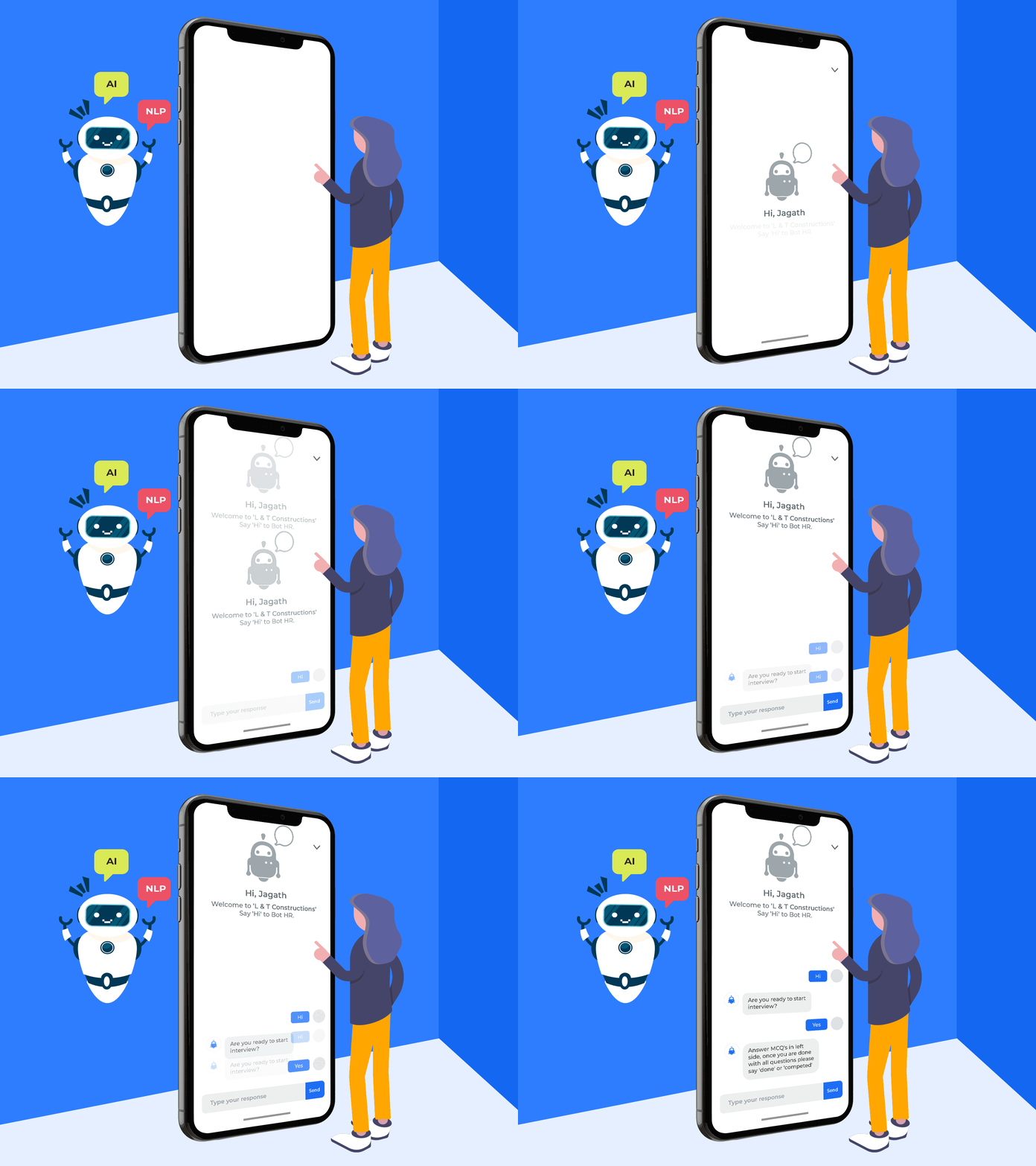
A chatbot for job sites is an AI-powered virtual helper tailored for hiring platforms. It engages with job seekers, responds to their inquiries, and assists them in navigating the application process—all instantly.
These chatbots employ artificial intelligence to grasp candidate requirements and reply immediately, creating a sense of support and engagement. They can assist users in locating suitable job vacancies, reviewing initial applications, and even offering interview advice.
For recruiters, a chatbot on a job site conserves time by managing fundamental questions and structuring applications in a more effective manner.
Key Benefits of Using a Chatbot for Job Site
Deploying a chatbot for a job platform can revolutionize the hiring process, providing numerous significant advantages for both candidates and employers. Here’s an overview of the main benefits that render these chatbots vital for contemporary hiring platforms.
1- 24/7 Availability
A chatbot for job sites operates round the clock, answering questions and assisting candidates any time, even outside business hours. This ensures that job seekers can get help whenever they need it, increasing engagement.
2- Instant Responses
Job hunters need not wait for days to receive responses. A chatbot on a job site offers quick answers to frequently asked questions, enhancing user experience and making applicants feel appreciated.
3- Efficient Candidate Screening
Chatbots are able to pose fundamental screening inquiries to assess whether candidates fulfill specific qualifications, thereby conserving recruiters’ time by excluding applicants who do not meet the criteria.
4- Enhanced User Experience
The chatbot’s engaging method assists candidates in feeling directed and assisted during the application process, enhancing their satisfaction and involvement with the job platform.
5- Reduced Workload for Recruiters
By managing repetitive activities such as responding to frequently asked questions and performing initial screenings, a job site chatbot allows recruiters to concentrate on more important tasks.
6- Improved Data Collection
Chatbots gather important information about candidates, including their interests and qualifications, which assists recruiters in making improved hiring choices and enhancing future recruitment tactics.
How Does a Job Site Chatbot Work?
A chatbot on a job site utilizes artificial intelligence to communicate with users, respond to inquiries, and assist candidates during the application process. Here’s a straightforward explanation of how it functions:
1- Understanding User Queries
Utilizing natural language processing (NLP), the chatbot is able to understand user queries expressed in simple language. Regardless of whether it’s an inquiry about job vacancies, application progress, or company culture, the chatbot is capable of delivering pertinent responses immediately.
2- Guiding Candidates Through the Job Search
Once a candidate begins engaging, the chatbot assists them in exploring the job site by recommending pertinent openings according to keywords, location, or job category. This personalized advice assists job seekers in quickly discovering positions that align with their skills and preferences.
3-Initial Screening and Qualification
A chatbot on a job site can perform initial screening by posing predefined questions regarding qualifications, experience, and availability. This enables it to assess whether a candidate satisfies minimum criteria, enhancing the recruitment selection process for recruiters.
4- Scheduling Interviews or Next Steps
Sophisticated chatbots can also arrange interviews or suggest subsequent actions if a candidate meets the criteria. Through integration with calendar tools, the chatbot streamlines scheduling, offering a smooth experience for recruiters and candidates alike.
5- Collecting and Analyzing Data
During the conversation, the chatbot gathers important information, including common job inquiries, candidate preferences, and qualification patterns. This data assists recruiters in honing their hiring approaches and enhancing the candidate experience.
Implementing a Chatbot for Your Job Site

Setting up a chatbot for a job site can significantly streamline recruitment, but successful implementation requires a few essential steps. Here’s how to get started:
1- Define Your Objectives
Start by clarifying what you want the chatbot to accomplish. Is it primarily for answering candidate questions, screening resumes, or scheduling interviews? Clearly defined goals will guide the chatbot’s setup and features.
2- Choose the Right Platform
Look for chatbot providers that specialize in recruitment solutions. Consider factors like ease of integration with your job site, customization options, and ongoing support to ensure you choose a platform that fits your needs.
3- Customize Chatbot Responses and Workflows
Set up conversation flows tailored to your hiring process. For instance, program the chatbot to answer FAQs, guide candidates to relevant job openings, or initiate screening questions. Customizing responses makes the chatbot feel like a natural extension of your brand.
4- Integrate with Existing Tools
A job site chatbot should seamlessly connect with tools you already use, such as your applicant tracking system (ATS) or calendar app. This integration ensures that the chatbot can schedule interviews, store applicant data, and support recruiters effectively.
Conclusion
A job site chatbot can serve as a valuable tool that enhances recruitment by making the process more efficient, quicker, and more engaging for applicants. Chatbots enhance procedures for job seekers and recruiters by offering advantages such as round-the-clock availability, immediate responses, and effective screening. With the progress of technology, these chatbots will increasingly enhance their effectiveness, providing tailored experiences and meaningful insights.
For job platforms and organizations aiming to streamline their hiring processes, a chatbot can elevate user experience, conserve precious time, and boost overall recruitment results. Adopting this technology today can distinguish firms in a competitive employment landscape, fostering a more effective and candidate-oriented hiring process.
FAQs
1. Can a job site chatbot help reduce candidate drop-off rates?
Ans: Yes, a job site chatbot can engage candidates throughout the application process by providing instant answers and guidance. This keeps candidates interested and reduces the likelihood of them abandoning the application.
2. How customizable is a job site chatbot for different industries?
Ans: Job site chatbots are highly customizable and can be tailored to specific industries. Recruiters can adjust questions, responses, and workflows to match industry-specific requirements, making them versatile for various hiring needs.
3. What data privacy measures are in place for job site chatbots?
Ans: Most job site chatbots are built with robust data security measures, including encryption and compliance with privacy regulations like GDPR. This ensures that candidate information is protected and only used for recruitment purposes.
4. Can a job site chatbot improve the diversity of applicants?
Ans: Yes, a chatbot can make job sites more accessible by providing multilingual support and unbiased screening. This helps attract a diverse pool of applicants by reducing language barriers and eliminating unconscious bias in the initial stages.