

Workers today encounter difficulties in remaining engaged, informed and supported at their jobs. Numerous companies find it challenging to meet these demands, resulting in elevated turnover, decreased morale, and drops in productivity. As businesses vie for skilled workers, they require efficient tools to enhance the work environment.
A potential answer can be found in chatbots powered by conversational AI and virtual assistants. These technologies provide assistance, direction, and immediate responses that help employees feel appreciated and engaged. But which option is the optimal choice for creating a positive employee experience?
Keep reading to discover the main distinctions between these tools and how each can influence the everyday experiences of workers.
What Are Conversational AI Chatbots and Virtual Assistants?
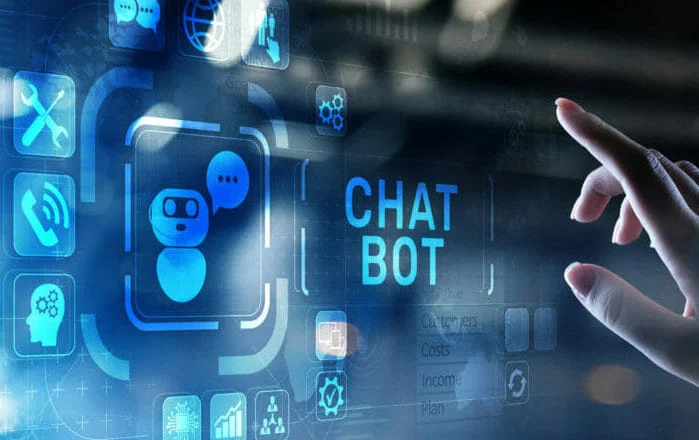
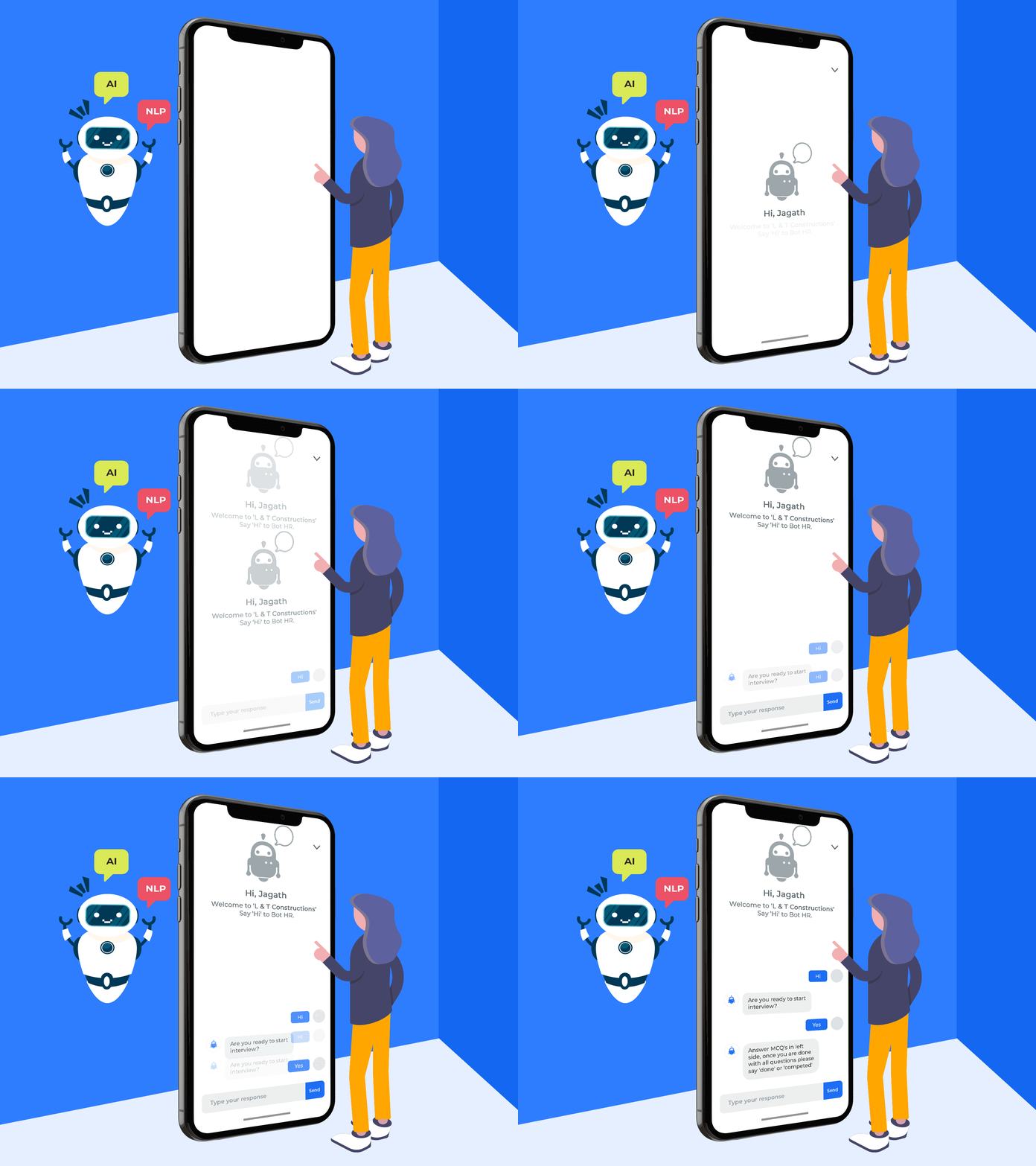
Conversational AI chatbots are software programs designed to replicate conversations akin to those of people. These chatbots can understand and respond to questions, supply information, and help staff with tasks through natural language processing.
For example, a chatbot might answer questions about company policies or help someone find the correct internal resource. Chatbots are especially useful for common inquiries and tasks, providing quick, consistent responses around the clock.
Virtual assistants are advanced AI tools that handle tasks that go beyond just responding to questions. Virtual assistants can manage a range of tasks, such as scheduling meetings, setting reminders, or even tracking to-do lists. They offer personalized support, adapting to the specific needs of each employee. This makes virtual assistants an important tool for boosting productivity and helping employees manage their tasks more efficiently.
Key Differences Between Conversational AI Chatbots and Virtual Assistant
Although conversational AI chatbots and virtual assistants appear alike, they have different functions in the workplace. Here’s an overview of their main distinctions:
1- Functionality and Scope:
- Chatbots are primarily designed to handle straightforward, repetitive tasks, like answering common questions or guiding employees to specific information. They excel at delivering quick responses based on programmed or learned patterns.
- Virtual assistants, on the other hand, can handle a wider range of tasks. They don’t just answer questions; they also help employees manage schedules, set reminders, and complete various tasks. This flexibility makes virtual assistants a more adaptable tool for complex work needs.
2- Level of Personalization:
- Chatbots provide consistent responses but often lack deep personalization. They follow preset responses and may have limited customization for individual users.
- Virtual assistants, however, are more personalized. They can adapt to an employee’s preferences and routines, offering reminders, suggestions, or specific help based on previous interactions. This makes virtual assistants feel more like a personal aid than just a quick-response tool.
3- Technology and Complexity:
- Chatbots are usually simpler in design and work best for specific use cases, such as customer service or FAQ-style interactions. They rely on predefined responses and may use basic AI to recognize keywords.
- Virtual assistants involve more advanced AI capabilities, including machine learning and predictive analytics. They can “learn” from user behavior, making them better suited for ongoing, complex support.
4- User Interaction:
- Chatbots often operate in a question-and-answer format, responding directly to user input without much additional context.
- Virtual assistants create a more natural interaction. They don’t just wait for commands; they proactively suggest actions, like reminding employees of upcoming meetings or important tasks.
5- Adaptability and Learning:
- Most chatbots stick to their programming and may not evolve much over time.
- Virtual assistants, however, often include machine learning capabilities, allowing them to adapt and improve with regular use.
Conversational AI Chatbots vs. Virtual Assistants for Employee Experience

| Feature | Benefits of Conversational AI Chatbots | Benefits of Virtual Assistants |
| Response Speed | Provide instant answers to common questions, ensuring employees receive quick, reliable responses. | Offer timely responses but may take a bit longer due to more personalized interactions and task complexity. |
Availability | Available 24/7, offering continuous support for routine questions and simple tasks. | Also available anytime but often requires a more personalized setup and may depend on user schedules for optimal functionality. |
Task Focus | Ideal for specific, repetitive tasks like answering FAQs, guiding employees to information, and assisting with standard requests. | Can handle a broader range of tasks, such as scheduling, reminders, project tracking, and personalized task management. |
Consistency | Delivers consistent answers to all employees, minimizing variation in response quality. | Provides customized responses based on user preferences, leading to personalized but potentially variable support. |
| User Engagement | Supports quick, efficient exchanges, helping employees get basic information without delays. | Engages employees in more complex, ongoing interactions, creating a more “personal” experience. |
Integration with Daily Workflow | Works best in a limited capacity, handling specific requests without deeply integrating into workflows. | Integrates seamlessly into daily work routines, proactively suggesting actions and reminders to improve productivity and organization. |
Complexity and Customization | Simpler setup, suitable for standard tasks and general employee support with minimal customization. | More advanced and adaptable, with features that allow it to adjust to each user’s unique needs and workflow for a customized experience. |
Support for Employee Productivity | Reduces interruptions by quickly resolving common queries, allowing employees to stay focused. | Boosts productivity by actively managing schedules, reminders, and task lists, giving employees a comprehensive support experience. |
Cost Efficiency | Generally more affordable and easier to implement for basic employee support needs. | May have higher implementation costs due to advanced AI capabilities but offers broader functionality that can enhance overall productivity. |
Which One is Right for Your Company? Factors to Consider

Deciding between a conversational AI chatbot and a virtual assistant depends on your company’s unique needs and goals. Here are some key factors to consider when choosing the best fit for enhancing your employee experience:
1- Type of Support Needed
If your business mostly requires fast, reliable answers to common inquiries, a conversational AI chatbot might be the more suitable option. Chatbots are proficient in managing repetitive questions and delivering immediate responses to frequently asked queries.
If your staff requires more intricate assistance, such as organizing schedules, creating reminders, or monitoring ongoing tasks, a virtual assistant could be a preferable choice. Virtual assistants are created for wider, more individualized engagements.
2- Funding and Assets
Chatbots are generally less expensive to establish and manage, making them a great option for businesses seeking an economical way to provide basic employee assistance.
Virtual assistants typically demand a larger upfront investment and additional resources for upkeep because of their sophisticated functionalities. If your budget permits, the extra capabilities of a virtual assistant can provide enhanced personalized support for employees and boost productivity.
3- Integration with Existing Systems
Consider how easily each option can integrate with your company’s current software, databases, and communication platforms. Chatbots are generally easier to integrate for basic functions but may have limited compatibility with complex systems.
Virtual assistants can often connect with a wider range of tools and applications, providing seamless support that blends into daily workflows. However, this integration may require more technical setup.
4- Level of Personalization Required
If you’re looking for consistent, standardized responses across the board, chatbots may be the way to go. They’re built to deliver the same responses to everyone, ensuring uniform support.
Virtual assistants offer more customization, adapting to individual employee needs and preferences. This makes them ideal if you want a tool that can cater to specific roles or provide personalized support for complex tasks.
Conclusion
Choosing between conversational AI chatbots and virtual assistants depends on your organization’s specific needs, budget, and future goals for employee support. Chatbots are proficient at delivering quick, dependable responses to typical questions.
Virtual assistants, delivering improved functionality and customized help, can offer significant advantages for companies looking to boost productivity and interaction with more personalized support.
Both tools can greatly improve the employee experience by offering support that is always available, leading to a more fluid and responsive workplace.
FAQs
1- Are conversational AI chatbots capable of managing sensitive employee data?
Chatbots are capable of managing simple information securely; however, for confidential data, organizations must guarantee adherence to rigorous security measures and data privacy regulations.
2- What is the duration required to establish a virtual assistant for employee assistance?
Establishing a virtual assistant may require a few weeks to a few months, influenced by the intricacy of the tasks it must manage and the compatibility with current systems.
3- Is training necessary for employees to utilize conversational AI chatbots?
The majority of chatbots are easy to use and do not need formal instruction. Nonetheless, a brief introduction or demonstration can assist employees in maximizing their use of the chatbot.
4- Can a company use both a chatbot and a virtual assistant together?
Yes, many companies use both to cover a range of needs. A chatbot can handle quick questions, while a virtual assistant can manage more personalized and complex tasks.
5- What kind of companies benefit most from virtual assistants?
Large companies or those with complex workflows often benefit most, as virtual assistants can provide personalized support and adapt to individual employee needs more effectively than chatbots.